
What audio description actually is
Audio description is a secondary narration track that describes what is happening on screen during natural pauses in dialogue. It covers visual details such as facial expressions, scene changes, on-screen text, and physical actions that cannot be understood from the audio alone. Professional services take this further by ensuring narration is scripted with precision, recorded by trained voice professionals, and timed to fit seamlessly within the existing soundtrack. There are two main formats: standard audio description, which fits descriptions into existing pauses, and extended audio description, which pauses the content entirely for more detailed narration when needed.
Who benefits from professional audio description
The most direct beneficiaries are blind and low-vision individuals — a population that numbers over 2.2 billion worldwide. However, the reach extends further: people with certain cognitive disabilities, older adults experiencing vision decline, and even sighted viewers in visually distracted environments can benefit from having key visual information narrated clearly.
A study published through the ACM Designing Interactive Systems Conference found that blind and low-vision users have varying preferences for description length, detail, and timing — highlighting just how important it is for audio description to be crafted thoughtfully and with the audience's real needs in mind.

Legal requirements and why compliance matters
Organizations across sectors are increasingly required by law to provide accessible media. In the United States, the Americans with Disabilities Act, Section 508, the Communications and Video Accessibility Act, and the Web Content Accessibility Guidelines all either mandate or strongly recommend audio description for video content. Failing to provide accessible content is not just a legal risk but a reputational one; investing in quality audio description demonstrates a genuine commitment to inclusion.
How professional audio description is delivered
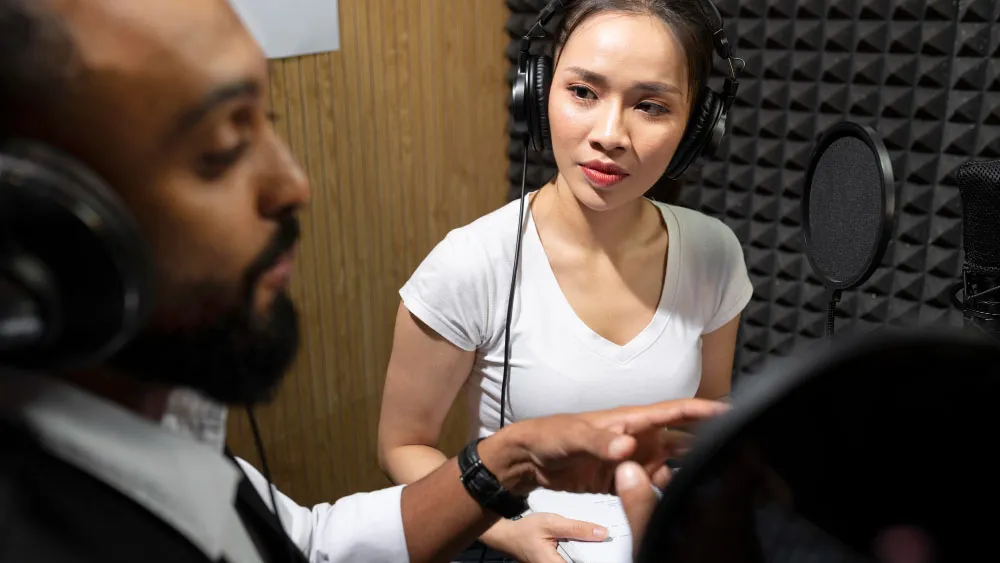
Creating audio description involves several stages, each requiring careful attention to detail. A trained describer first reviews the content to identify which visual elements are essential. A script is then written to describe those elements concisely, timed to fit naturally within the pauses of the existing audio. A professional voice artist records the narration, which is then mixed and synchronized with the original content before final quality review.
Research from ACM Transactions on Accessible Computing has noted that while AI tools are being explored to assist with generation, human-produced descriptions consistently outperform automated outputs in accuracy, contextual relevance, and overall viewer satisfaction.
Choosing the right provider
Not all providers are created equal. The right choice depends on the type of content, the intended audience, and applicable compliance requirements. Key factors include the provider's experience with your content format, whether they offer both standard and extended styles, their quality-assurance process, and their familiarity with relevant legal standards.
Building accessibility into your content strategy
Accessibility should never be a box to check after content is produced. The most effective approach integrates accessibility planning into the earliest stages of development — writing scripts with natural pauses for narration, training production teams to be mindful of visual-only storytelling, and building relationships with trusted providers before deadlines loom. When audio description is treated as a core part of content creation, the result is media that is genuinely inclusive from the ground up.
Back to all articles